Synchronous vs Asynchronous Teledentistry
Which Is Right for Your Practice?
Not all teledentistry is the same. Learn the difference between real‑time video care and store and‑forward consultations and why most practices use both.

Quick definitions
The Two Types of Teledentistry
Understand how you connect with patients through teledentistry. Whether it’s a live conversation or a flexible review, both approaches ensure timely care, better access, and seamless communication between dentist and patient.
Real-time interaction between dentist and patient. Both parties are present at the same time, communicating live via video call. Insurance CDT Code for Synchronous Teledentistry is D9995.
Learn more on Synchronous TeledentistryStore-and-forward interaction. Patient submits information (photos, symptoms, questions) for the dentist to review and respond to later. Insurance CDT Code for Asynchronous Teledentistry is D9996.
Learn more on Asynchronous TeledentistryUse Both. Treat Smarter. Grow Faster.
Why Both Matter
The most effective practices combine synchronous and asynchronous care to create a seamless patient journey. Capture new leads with quick photo consultations, convert high-intent cases through live video calls, and maintain continuity with follow-up submissions. This hybrid approach improves efficiency, strengthens patient relationships, and increases case acceptance without adding extra workload.

Asynchronous
Synchronous
Choose the Right Way to Connect with Patients
Synchronous and asynchronous care complement each other. Use live video when timing and trust matter. Switch to photo or messaging workflows for speed and flexibility. This hybrid approach ensures you deliver the right care at the right time.
| Factor | Synchronous | Asynchronous |
|---|---|---|
| Timing |
Real-time (both parties live) |
Flexible (submit anytime, respond later) |
| Scheduling | Required | Not required |
| Communication | Live video/audio | Photos, text, recorded video |
| Best for | Emergencies, complex cases, rapport | Triage, simple questions, lead gen |
| Efficiency | One patient at a time | Batch multiple reviews |
| Patient convenience | Must be available at set time | Submit whenever convenient |
| DentuluPro features |
Video Consultations, Direct Connect |
Photo Consultations, Messaging |
DentuluPro Advantage
DentuluPro delivers both modalities in one platform
DentuluPro unifies your workflow no more switching tools or losing context. Connect with patients live or review cases anytime, keeping interactions within one platform. Handle real-time consultations with video calls, then follow up asynchronously with photo reviews and secure messaging. With tools like website widgets and e-prescriptions, your patient journey is efficient and connected.
Synchronous Features
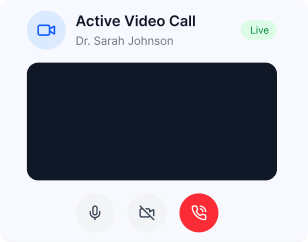
Video Consultations
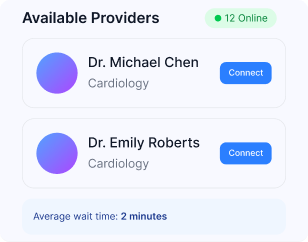
Direct Connect
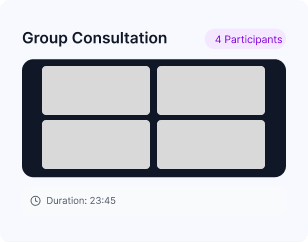
Multi-Party Calls
Asynchronous Features
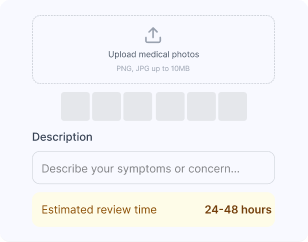
Photo Consultations
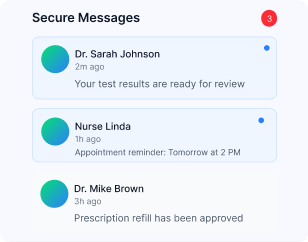
Secure Messaging
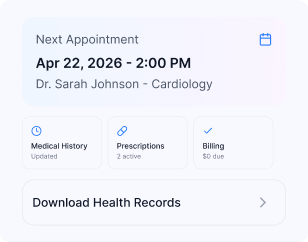
Patient Portal
Supporting Tools
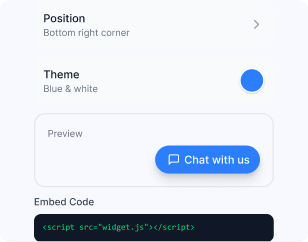
Website Widget
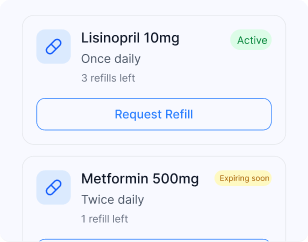
E-Prescriptions
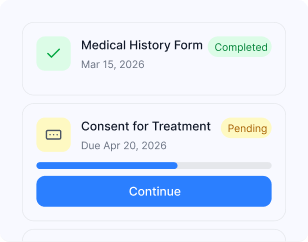
Paperless Forms
Integration Touches Everything. Here’s How It Connects.



Provider FAQ
Find answers to common questions about clinical implementation, billing, and regulatory requirements for dental sleep medicine.
Still have questions?
We help you set up DentuluPro configuring consultations and integrating workflows so your practice delivers seamless care.
Contact Support @ (888)-905-0226